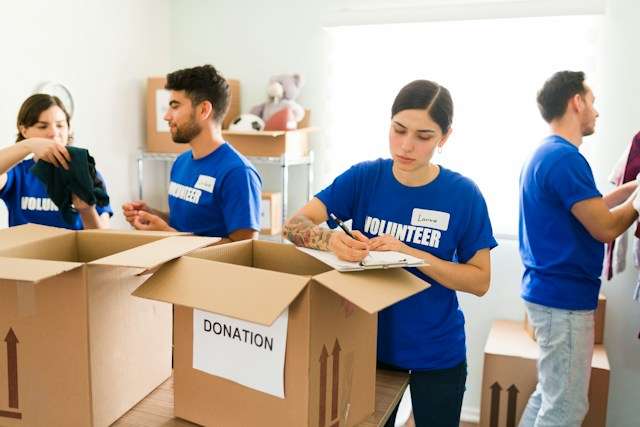
Local communities become stronger when people choose to help one another. While large organizations can provide valuable support, small local actions often create meaningful results. Neighbors who volunteer their time can improve shared spaces, support families, help young people, and respond to local needs.
Moreover, these efforts encourage people to work together instead of facing challenges alone. As more residents take part, trust and cooperation can grow naturally. Therefore, local volunteering can play an important role in creating healthier, more connected, and more active communities.
How Local Volunteers Strengthen Neighborhood Connections
Volunteering gives people a simple way to meet others and build relationships. For example, residents may work together at food drives, cleanup events, community gardens, or local fundraisers. These activities create shared experiences, which can help people feel more connected to their neighbors.
Strong relationships can make neighborhoods feel safer and more welcoming. When people know each other, they may feel more comfortable asking for help or offering support. Regular volunteer activities can also bring different age groups and backgrounds together. As a result, communities can develop stronger social connections over time.
Why Community Projects Create Shared Responsibility
Local projects work best when residents feel responsible for the places they call home. A neighborhood park, school, library, or public space can benefit when volunteers give their time and skills. For instance, people can help with cleanups, repairs, planting projects, or local events. These actions may seem small, but they can improve everyday life for many residents.
Moreover, shared responsibility encourages people to take greater interest in local issues. Instead of waiting for someone else to act, residents can identify problems and help find practical solutions. This approach also teaches younger people that positive change can begin with simple actions.
The Role Volunteers Play in Supporting Local Families
Many families face challenges that community support can make easier. Volunteers can assist food banks, clothing drives, youth programs, senior services, and other local organizations. They can also offer useful skills, companionship, or practical help. These efforts can help organizations reach more people without straining limited resources.
However, effective support should focus on real community needs. Local volunteers can listen to residents and work with trusted organizations to understand those needs. As a result, their time and effort can produce more useful outcomes.
How Youth Volunteering Builds Stronger Future Leaders
Young people can gain valuable lessons by participating in volunteer activities. They learn how to communicate, cooperate, manage responsibilities, and solve problems. For example, helping at a community event can teach students how to work with different people and complete tasks on time. These experiences can also improve confidence.
Furthermore, youth volunteering can develop leadership skills that students may use later in school, work, and civic life. Young volunteers can eventually organize events, guide other participants, or lead local projects. Therefore, early involvement can help create a generation that understands the value of service and cooperation.
Why Small Acts of Service Can Create Lasting Results
Not every volunteer project needs a large budget or a large team. A few residents can make a noticeable difference through simple actions. Cleaning a shared area, collecting donated supplies, helping an older neighbor, or supporting a local event can improve daily life. Although each action may appear modest, repeated efforts can create broader results.
In addition, small projects can inspire other people to participate. When residents see neighbors giving their time, they may feel encouraged to contribute as well. This creates a positive cycle in which one helpful action leads to another. Over time, these repeated efforts can support community growth and strengthen local networks.
How Local Organizations Benefit From Volunteer Support
Nonprofits and community organizations often depend on volunteers to expand their reach. Volunteers can assist with events, outreach, administration, fundraising, education, and direct services. As a result, organizations can serve more people while using their resources more effectively. Volunteers also bring different skills and ideas that can improve local programs.
At the same time, organizations can give volunteers meaningful ways to contribute. Clear roles, proper guidance, and regular communication can make the experience more effective. Moreover, strong partnerships between residents and organizations can help identify important needs. This cooperation can make local programs more responsive and sustainable.
How Volunteering Encourages Civic Participation
Volunteer work can encourage people to become more involved in other local activities. After helping with one project, residents may become more interested in community meetings, neighborhood planning, local campaigns, or public events. Therefore, volunteering can become a starting point for broader civic participation.
Furthermore, civic participation becomes stronger when residents believe their actions matter. Volunteering provides a practical way to see the results of personal effort. A cleaner park, a successful food drive, or a supported family can show people that their contribution has value. As a result, they may feel more motivated to stay involved.
Building Stronger Communities Through Consistent Local Action
Long-term progress depends on consistency rather than one-time activity. A single volunteer event can help, but regular participation can create deeper, longer-lasting benefits. For example, monthly cleanups, ongoing youth development programs, and recurring donation drives can address needs over time. In addition, consistent projects can help volunteers build stronger relationships with local organizations and residents.
Strong communities grow when people keep caring about one another and take action together. Local volunteering can improve relationships, support important services, and encourage people to become more active in their neighborhoods. These efforts can also inspire others to participate. When residents contribute regularly, small acts of service can become a powerful force for lasting local improvement.