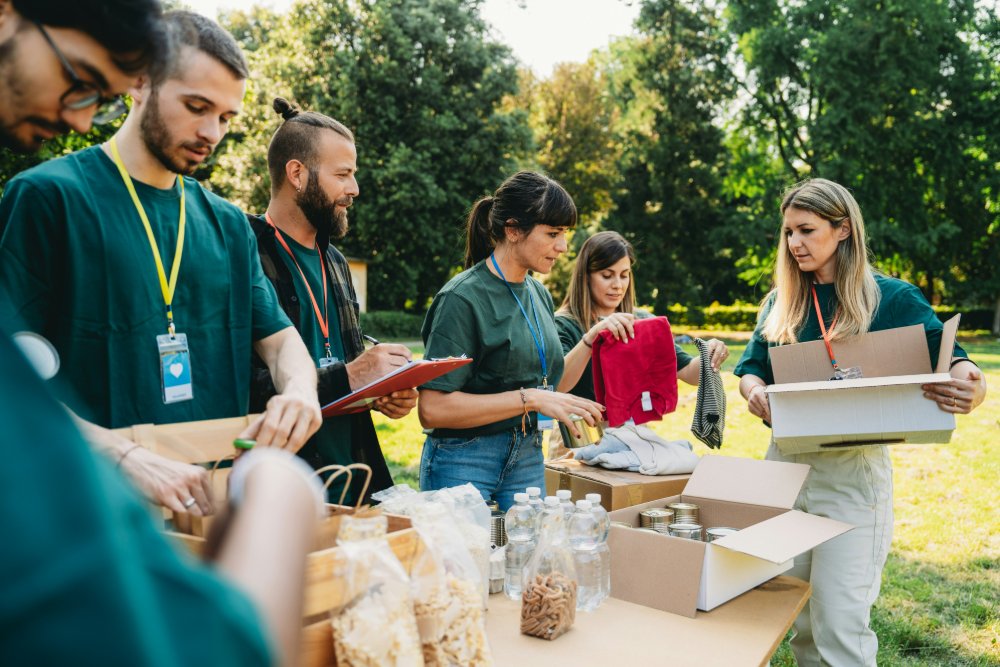
Teamwork plays an important role in personal development, professional success, and community growth. People achieve better results when they combine their strengths and work toward shared goals. Supporting local causes creates valuable opportunities to develop these abilities through real experiences. Whether organizing charity events, helping neighborhood organizations, or participating in environmental projects, individuals learn how to communicate, cooperate, and support one another. These experiences help people understand the value of working together while contributing to meaningful community improvements.
Moreover, community involvement allows individuals to practice teamwork outside traditional classrooms and workplaces. Volunteers often come from different backgrounds and bring unique skills to shared activities. They must coordinate responsibilities, solve problems, and respect different opinions. As a result, supporting local causes encourages stronger relationships, personal responsibility, and effective collaboration. These lessons help individuals become better team members in both professional and everyday situations.
Understanding the Importance of Teamwork in Community Service
Community service often requires several people to work together to achieve a common objective. A neighborhood cleanup, food donation program, or local fundraising event depends on cooperation among volunteers. Each participant contributes different abilities and resources. Some people organize materials, while others communicate with residents or coordinate schedules. These shared responsibilities demonstrate how teamwork helps communities achieve meaningful results.
Additionally, community activities teach participants that successful teamwork requires mutual respect and consistent effort. Individuals must understand their responsibilities while supporting the wider group. When everyone contributes and communicates openly, activities become more organized and productive. Through these experiences, volunteers learn that collective achievement often depends on the cooperation of every team member.
Improving Communication Through Shared Community Goals
Clear communication helps teams understand expectations and complete responsibilities effectively. Supporting local causes creates opportunities for volunteers to practice sharing information, discussing plans, and explaining ideas. For example, organizing a charity fundraiser requires participants to communicate event details, coordinate donations, and update fellow volunteers. These activities encourage people to express themselves clearly and avoid misunderstandings.
Furthermore, community involvement strengthens listening skills. Successful teamwork depends on understanding different viewpoints and responding respectfully. Volunteers may have unique opinions about schedules, resources, or project methods. By listening carefully and considering suggestions, participants can reach better decisions. Therefore, community service helps individuals develop communication habits that improve both professional relationships and personal interactions.
Building Trust and Stronger Relationships Among Team Members
Trust is an essential part of effective teamwork because people need confidence in one another. Community projects encourage volunteers to build trust by completing assigned tasks and honoring commitments. For instance, someone responsible for arranging supplies must ensure that materials arrive when needed. When participants fulfill their responsibilities, the entire team becomes more confident and organized.
Moreover, shared community experiences help individuals develop meaningful relationships. Working together toward a positive goal creates opportunities for conversation, cooperation, and mutual support. Volunteers often learn about one another’s strengths, interests, and experiences. Over time, these interactions strengthen connections and encourage continued collaboration. As a result, community involvement helps create supportive teams built on reliability and respect.
Learning How to Share Responsibilities Effectively
Successful teamwork requires clear responsibilities and fair task distribution. Local volunteer projects provide opportunities to practice assigning duties according to individual strengths. For example, a community food distribution program may need people to organize supplies, manage transportation, communicate with recipients, and maintain records. Each responsibility contributes to the overall success of the activity.
Additionally, sharing responsibilities teaches volunteers to appreciate the importance of every contribution. Some tasks may appear more visible than others, but each plays a valuable role. Effective teams recognize individual efforts and encourage everyone to participate. Through these experiences, individuals develop teamwork skills through community service that help them collaborate more efficiently in workplaces and other group settings.
Strengthening Problem-Solving Through Collective Effort
Community projects frequently face challenges that require practical solutions. Limited budgets, unexpected delays, and shortages of volunteers can affect planned activities. Instead of addressing every difficulty alone, participants learn to discuss problems and explore possible solutions together. For example, when an outdoor charity event faces bad weather, volunteers may work together to arrange an alternative location.
Furthermore, collaborative problem-solving encourages creativity and flexibility. Different team members often suggest solutions based on their experiences and abilities. By combining these ideas, groups can make thoughtful decisions and respond more effectively to unexpected circumstances. These experiences teach participants that cooperation often produces better solutions than relying on one person’s judgment.
Developing Respect for Different Perspectives and Backgrounds
Supporting local causes brings together individuals from different age groups, professions, and cultural backgrounds. These interactions encourage volunteers to understand viewpoints that may differ from their own. Community projects often require people to work with unfamiliar teammates and adjust their communication styles. Such experiences help individuals develop patience, understanding, and respect.
Moreover, diverse teams can benefit from a wider range of ideas and practical skills. One volunteer may have experience organizing events, while another understands community outreach or financial planning. When participants appreciate these differences, they create a more welcoming environment. This approach strengthens cooperation and helps individuals become more adaptable team members.
Improving Conflict Resolution and Emotional Awareness
Disagreements can arise whenever people work together. Community projects may involve different opinions about schedules, task assignments, or project priorities. Volunteers must learn how to discuss concerns without damaging relationships. By communicating respectfully and focusing on shared goals, they can find practical solutions that support the entire group.
Additionally, community service helps participants understand the emotional needs of others. Some volunteers may feel overwhelmed by responsibilities, while others may need additional guidance. Recognizing these situations encourages patience and supportive behavior. Through positive interactions, individuals develop stronger emotional awareness and learn how to maintain productive relationships during challenging circumstances.